
Connecting to the vulnerable child part
The practices on this page will help you connect, get to know and support that young part of us that still carries the vulnerable experience .
Handling the inevitable resistance, distraction and avoidance
When we do meditations to make contact with the vulnerable child part of us it’s very common that other parts of us will interrupt us saying things like
“If I feel that emotion I will get stuck and be unable to get out of it, it will drag me down”
“I should be over this by now”
“Ive already dealt with this feeling, I already know this part”
“This won’t get me anywhere, there is no point in feeling this again”
Or you know it makes sense to feel something but you feel nothing/numbness
They distracts, deflect and protects us from feeling the pain that vulnerable child still carries. It’s challenging to really allow ourselves to feel emotional distress.
If you meet a protective part of you that does this, take a breath, and say “can you give me a little space to feel this?” and then turn your attention back to the vulnerable child.
If it continues to interrupt, pause the practice, its a sign our nervous system doesn’t feel safe to feel it yet. In this case do the gatekeeper meditation to learn more about the part that interrupted and doesn’t want to feel.
The Meditations
The “Shortcut” Meditation - (11min)
Some sessions the part will feel close and clear; others it'll seem distant or quiet. Whats important is that you’re training your capacity to connect with, comfort and support this vulnerable child part.
Remember to try and…
• Stay curious to learn about this part Vs trying to fix or judge it
• Allow emotions to arise and feel them, but if it feels like too much pause the recording, don’t push through.
• When I guide you to ask questions to the vulnerable part, don’t try to think about the answer, just notice what naturally appears.
Ok lets get started…
•Identify the part you want to connect with and the “short cut” (image, sensation or way to connect to this part we identified)
•Find a quiet place where you won't be interrupted. You can sit or lie down, whatever lets you settle.
Write down what you noticed…
What stood out for you in that exercise?
What does this part of you feel like in your body?
What did the part let you know, if anything?
What was it like to offer warmth and compassion to this part?
Did you notice any other part of you that interrupted the compassion?


Other Child Meditation - (19mins)
Do this exercise when you feel ready to experience a deeper connection with the vulnerable child and the feeling it carries.
Make sure you remember…
The age of the part your focusing on
What was happening back then that was challenging
We will use “the other child” technique to explore what happened to you through the eyes of another child you know.
Think of a child you know, roughly the age of the part you're exploring. Can’t think of anyone? Remember a childhood friend or “Imagine a child that age.”
Got someone? Hold them in mind.
Write down what you noticed…
What struck you or most stood out for you about this experience?
When you turned from the other child towards your own inner child. What did you feel toward your own inner child?
What changed in your body during this process?
What did your inner child want you to know?
What was it you did or said that was most supportive for them?
(remember this and use this when that part appears in your daily life)What did they ask for in the next 7 days?
Other Connection Practices

Reminder Objects
Choose objects to represent the part you want to stay connected to.
Place them in your house so that you get a visual reminder in your everyday life that helps you remember and stay connected to them.
Freestyle journalling - (10mins)
1. Choose one of two options:
Write to the part: Speak to it.
Write from the part: Connect to it and let it speak through your pen
2. Set a timer for 10mins
3. Close your eyes and take 5 deep gentle breaths
4. Activate the protective part - either by remembering the last time it came up, an image or by remembering what it often says in your head
5. When you feel it in the body just focus on that sensation for 30sec
5. Open your eyes and write spontaneously (don’t worry about grammar or even if it makes sense to you)
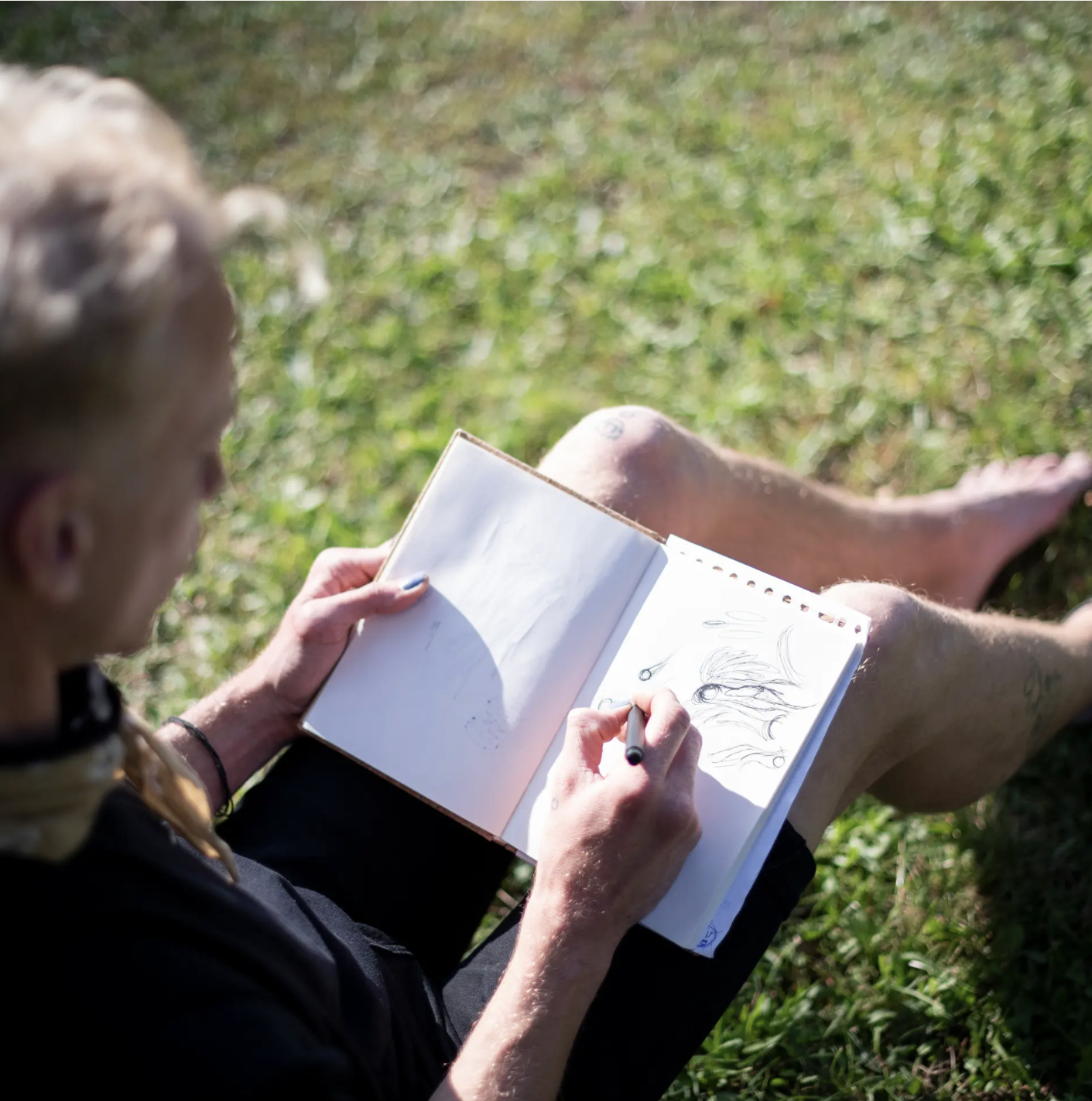
Draw or Visualize the Part
Sit quietly and bring to mind the part you worked with in session.
Ask: “If this part had a shape, color, or image, what would it look like?”
Using pen, markers, or whatever you have, draw what comes up, no artistic skill needed.
You can label the drawing with a name or emotion
As you draw, stay curious. Notice what you feel toward the part. If there’s judgment, see if another part might be present, and gently ask it to step back so you can relate from Self.
📌 Keep the drawing somewhere you’ll see it as a reminder of the relationship you’re building.
The Gatekeeper Meditation
Gatekeeper / Protector Meditation - 15mins
This meditation focuses on the part of you that blocked you from feeling the vulnerable child. Remember what that part said in your head when it interrupted. Something like…
“I’ll get stuck in this emotion, it will leave me destroyed, I won’t be able to function”
“Should be over this by now / self-indulgent”
“Ive already dealt with this /I already know this part”
“This won’t get me anywhere, no point feeling this again”
Or just numbness and disassociation
Write down what you noticed
What kinds of things does it say?
Where did you feel this protector in your body? What did it feel like?
What is this part trying to do for you? How is it trying to help?
What is it afraid afraid would happen if it stopped doing its job?
How old is it? / When did it fist start protecting you?
What was happening around that age?
How do you feel toward this protector now, having spent time with it?
Was there anything that surprised you?